-
Estimates on a quake directly below Tokyo
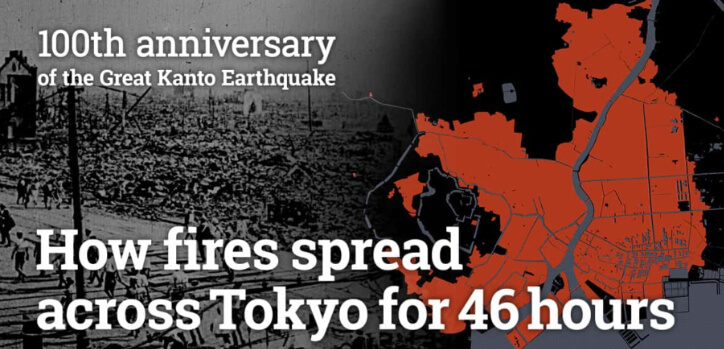
A Japanese government panel estimates that a powerful earthquake striking directly beneath Tokyo could kill up to 18,000 people and cause damage worth about 83 trillion yen, or about 533 billion dollars. The panel warned the disaster would be on a national-crisis scale and called for society-wide efforts to mitigate the impact. The latest assessment…
-
Little progress in debris removal at Fukushima Dai-ichi
It is estimated that a total of 880 tons of fuel debris, consisting of molten fuel mixed with surrounding structural components, remains in the No.1, 2 and 3 units. In the decommissioning timetable released in 2011, the government and the plant’s operator, Tokyo Electric Power Company, laid out a plan to begin removing radioactive fuel…
-
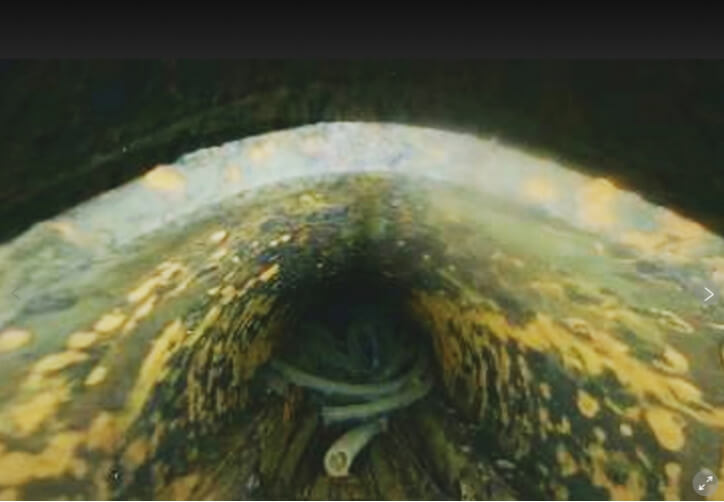
A tong-like device makes contact with what is believed to be melted nuclear fuel inside the No. 2 reactor’s containment vessel
It’s hard to believe that it has now been over 14 years since the 2011 quake and meltdowns. Lets have a look at future world trends concerning nuclear power. Nuclear’s share of total electricity generation is projected to decrease: the International Energy Agency (IEA) projects a 22% increase in nuclear generation by 2050, but this will…
-
The clock that stopped
Interesting story from Miyagi, the prefecture north of Fukushima that was also hit by the devastating tsunamis in 2011. It seems that the head monk at a temple there had bought an old second-hand Seiko clock, more than 100 years old, which he hung in the temple building.
-
Thoughts on the 10th anniversary of the tsunami and meltdowns of March 2011
March 11th marks the 10th anniversary of the Tōhoku tsunami and consequent Fukushima Dai-ichi nuclear meltdowns. It’s hard to believe it’s been a decade already. My memories of that time include the quake itself rocking our Tokyo apartment – the strongest one I have ever experienced, a 5.8 on the Richter scale, as household goods came crashing down around me. Of the many…
-
What are the dangers in the planned release of water from the Fukushima site?
Very little, other than the damage to the reputation of Fukushima fish (which is completely unwarranted) and to sales for Fukushima fishermen. This is based in fear rather than science. Your question mentions contaminated water, as if the water was being pumped straight out of the reactor basements. This will not be the case. It…
-
Update on progress in food and water safety in Fukushima
After the explosions at Fukushima Dai-ichi scattered radiation in much of the prefecture, more than 40 countries refused to import food items from Japan, dealing a grievous blow to the famers and fishermen of the prefecture. In addition, many within Japan would also not buy food or fish products from Fukushima and neighbouring prefectures.
-
Japan to build new coal-burning power plants, despite the climate risks
One unintended consequences of the Fukushima nuclear disaster almost a decade ago is that Japan now plans to build as many as 22 new coal-burning power plants — one of the dirtiest sources of electricity — at 17 different sites over the next five years. This is at a time when the world needs to…
-
Fukushima is running out of space to store its radioactive water
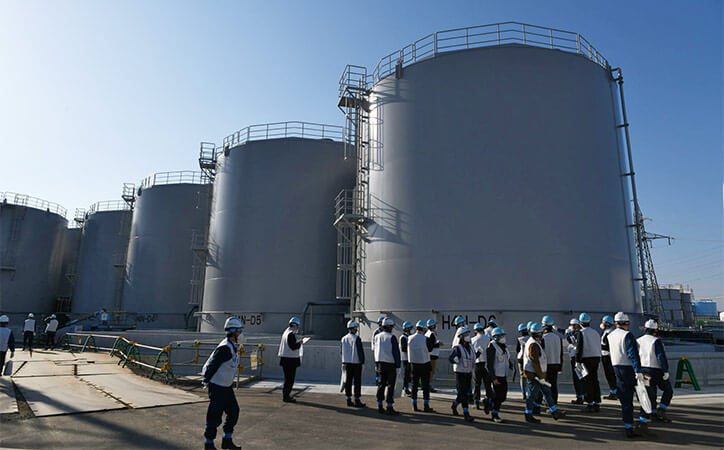
In just three years the Fukushima Dai-ichi site will have no more room to make the specialised tanks that are used store water that has been used to cool the melted reactors, or has seeped through the site from the surrounding hills. There’s currently over 1.15 million tons of this radioactive water being stored at…
-
Fukushima gets it first surf shop since the 2011 meltdowns
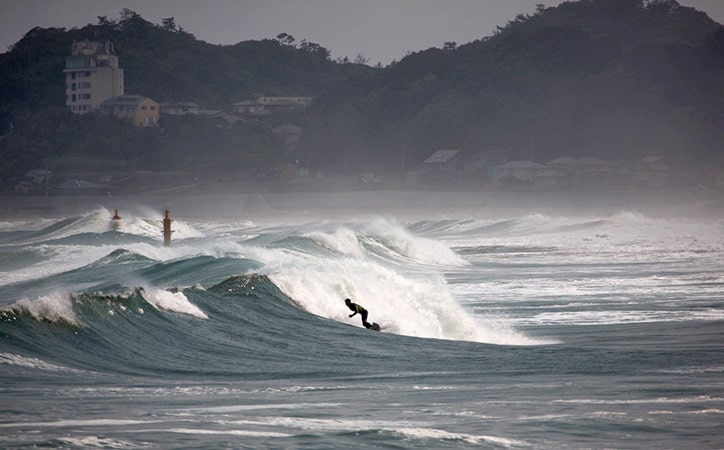
It has been eight years now since the meltdowns, and the water just off the Dai-ichi plant still contains contamination that washed there from the plant. But, a little further away, Kitai-izumi Beach is now open again. It is a popular spot for surfers as it gets some of the best waves in Japan, as…
-
Cancer rates at Fukushima as of March 2018
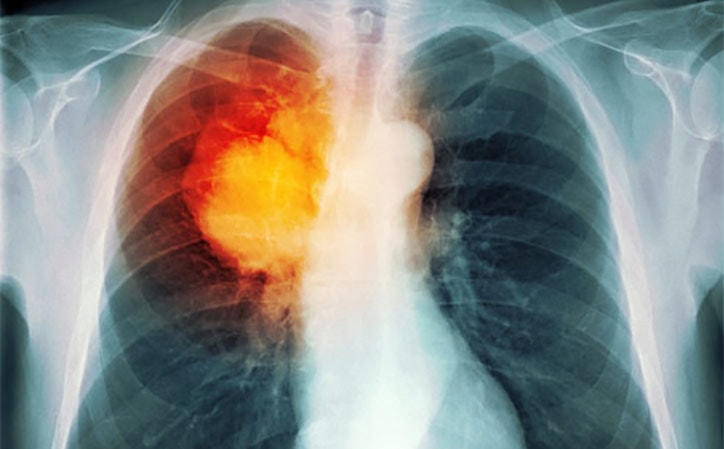
As of January last year a report out of TEPCO and the various parties involved in decommissioning documents that 15 workers from Fukushima Daiichi have developed cancer.
-
The Fukushima ice wall fails to keep out groundwater
A major problem at Fukushima Dai-ichi is the flow of groundwater through the plant from the surrounding hills. This water flows into the irradiated debris in the basements of the destroyed reactors and then from there into the sea.
-
Smashwords interview
What is your writing process? I am basically a reader of non-fiction. As such I read and gather information every day. Once I have an outline of the book and each paragraph I try to gather the essence of my sources and put them in folders with descriptive names onto my desktop. To write well…
-
Robots finally find the melted fuel cores
Six years after the Fukushima meltdowns engineers at the Fukushima Dai-ichi plant have succeeded in guiding a small robot to the heart of the heavily damaged Reactor 3 reactor and located the fuel which melted onto the floor of the reactor building. Earlier robots had failed, getting caught on debris or suffering circuit malfunctions from…
-
Hunters kill radioactive wild boars in Fukushima nuclear disaster zone
Areas of Fukushima previously abandoned in March 2011 have been declared safe to return to. At the end of March, Japan lifted evacuation orders for residential areas, including abandoned towns, just 2.5 miles from the Fukushima Daiichi nuclear plant. But there is concern over a risk posed by new ‘residents’, hundreds of wild boars, who…
-
Cancer among workers at Fukushima Dai-ichi
A new report out from TEPCO reports that 15 workers at the plant have developed cancer (as of Mar 2017). These cancers are considered sufficiently linked to their work at the plant during the initial disaster and during the subsequent effort to regain control of the site. So far TEPCO has only acknowledged one such…
-
Little radiation off Fukushima six years after meltdown
Its been six years since the meltdowns occured. There is now no radioactivity in the air. A little bit is seeping, via groundwater, into the ocean but that only affects the immediate Pacific off the Fukushima coast.
-
The world with over 1°C temperature rise
The first half of my book deals with nuclear energy, first as related to the Fukushima crisis, then with nuclear energy in general. The book then looks at renewables and renewable energy in the context of current and future global warming and climate change.
-
Radiation levels kill Tepco’s robots
The radiation levels in Fukushima’s unit two reactor building are so high they could kill a human in two minutes, according to data collected by a robot. Tokyo Electric Power, the company which operates the nuclear plant in Fukushima, carried out a robotic survey of the area around the core that melted six years ago,…
-
Irasshaimase! Welcome to my blog
The image above is me on the top of Mount Fuji shortly after the sunrise. Note the gloves and hat – even in early September, when it’s hot and humid at ground level, its cold with a nasty wind chill factor on the top of Fuji-san, even after sunrise. It didn’t stop me getting sunburned…